


If you’ve ever seen linen shirts online priced at ₹799–₹999, here’s the uncomfortable truth:
Most of them contain very little linen — sometimes under 20% — or no linen at all.
Many brands quietly replace real linen with cheaper fibers like:
• cotton blends
• polyester blends
• or Tencel™ Lyocell (which looks like linen but behaves very differently)
They rely on texture to sell the “linen feel”, not actual linen performance.
Let’s break this down honestly.
What Pure Linen Actually Is
Pure linen is made entirely from flax fibers.
According to textile references like Wikipedia, linen fibers are naturally breathable, strong, and moisture-absorbing — which is why linen performs so well in hot climates.
Key properties of pure linen:
• excellent airflow
• fast sweat drying
• natural cooling effect
• very high durability
• softens over time
This is what real linen is supposed to feel like.
What “Linen Blend” Really Means
A linen blend is linen mixed with cheaper fibers.
Common blends sold in India:
• Linen + Cotton
• Linen + Polyester
• Linen + Viscose
• Linen + Tencel Lyocell
Sometimes linen is only 10–30% of the fabric.
Brands rarely highlight this clearly.
Pure Linen Fabric suitable for hot Indian climate
Why Cheap Linen Shirts Are Rarely Pure Linen
Flax fiber is expensive
Linen comes from flax, which is slower and costlier to produce than cotton.
Weaving linen takes longer
Linen yarn is thicker and harder to process.
Blends slash production costs
Replacing linen with synthetic or semi-synthetic fibers drops prices massively.
👉 That’s how ₹999 “linen” shirts exist.
Pure linen at that price is almost impossible.
The New Trick: Tencel™ Lyocell “Linen Look” Fabric
Many brands now use Tencel Lyocell because:
• it feels smooth
• drapes well
• looks textured like linen
But it doesn’t breathe or cool like linen.
Tencel is a regenerated cellulose fiber developed by Lenzing — great for softness, not for linen-level airflow.
Breathable Linen shirts designed for summer comfort
Linen vs Tencel feel difference:
| Property | Pure Linen | Tencel Lyocell |
|---|---|---|
| Breathability | Excellent | Moderate |
| Cooling effect | High | Medium |
| Sweat drying | Very fast | Slower |
| Texture | Natural uneven | Smooth |
| Durability | Very high | Moderate |
Tencel looks premium — but performs differently.
Visual Difference: Pure Linen vs Blends


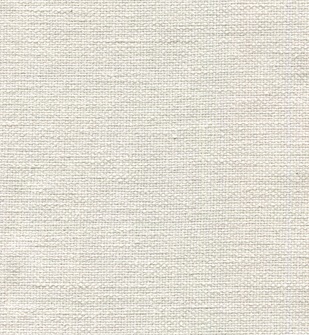
Pure Linen vs Linen Blend – Honest Comparison
| Feature | Pure Linen | Linen Blend |
|---|---|---|
| Breathability | ⭐⭐⭐⭐⭐ | ⭐⭐⭐ |
| Cooling in heat | ⭐⭐⭐⭐⭐ | ⭐⭐ |
| Sweat absorption | Excellent | Moderate |
| Durability | 5–10+ years | 2–5 years |
| Wrinkling | Natural | Reduced |
| Price | Higher | Cheaper |
| Comfort in summer | Best | Average |
How to Spot When Brands Are Using Very Little Linen
Look for percentage labels
Always check:
• 100% linen = pure
• 30% linen 70% cotton = blend
• “linen feel” = usually zero linen
Watch for ultra-smooth fabric
Pure linen always has slight texture.
Glass-smooth usually means blend.
Hold fabric against light
Pure linen shows airflow gaps.
Dense weave often means mixing.
When Linen Blends Actually Make Sense
Blends are fine if:
✔ you want lower price
✔ you prefer fewer wrinkles
✔ you don’t sweat much
✔ you live in cooler climate
They’re not “bad” — just different.
How to identify pure linen fabric online
When Pure Linen Is Worth Paying For
Choose pure linen if:
✔ you live in hot Indian climate
✔ you sweat easily
✔ you want natural fibers
✔ you value long-term comfort
✔ you care about breathability
Quick Buyer Checklist (Save This)
✔ Check linen percentage
✔ Avoid “linen look” wording
✔ Feel for natural texture
✔ Look for airflow in weave
✔ Be realistic about cheap prices
Frequently Asked Questions About Linen and Linen Blends
What is a linen blend fabric?
A linen blend fabric is made by mixing linen fibers with other materials such as cotton, polyester, viscose, or Tencel Lyocell. Brands use blends to reduce cost, improve wrinkle resistance, and create smoother texture, but this also reduces breathability compared to pure linen.
Is pure linen better than linen blends for hot Indian climate?
Yes. Pure linen is significantly more breathable and moisture-absorbing than blended fabrics. It allows better airflow, dries sweat faster, and stays cooler on skin, making it ideal for hot and humid Indian weather.
Why are cheap linen shirts usually blended?
Pure linen is expensive to produce because flax fiber farming and weaving take longer than cotton or synthetics. Shirts sold at very low prices often contain little linen (sometimes under 20%) or no linen at all, relying on cheaper fibers to mimic linen texture.
Does Tencel Lyocell perform the same as linen?
No. Tencel Lyocell feels smooth and looks premium, but it does not provide the same airflow and cooling effect as pure linen. It is softer but less breathable, especially in high heat.
How can I check if fabric is pure linen or a blend?
Look for percentage labels such as “100% linen” or fabric composition details. Pure linen usually has a slightly textured, uneven weave and allows light to pass through the fabric when held up. Very smooth and dense fabrics are often blended.
Are linen blends bad quality?
Not necessarily. Linen blends can be comfortable and more affordable, especially for mild climates or people who prefer fewer wrinkles. However, they do not provide the full cooling and durability benefits of pure linen.