
Why Linen Shirts Are the Best Choice for Indian Summers (Breathability, Comfort & Style Explained)
Indian summers are not mild.
High heat. Humidity. Sweat. Long hours outdoors.
Choosing the wrong fabric for shirts makes the entire day uncomfortable.
If you’re deciding between cotton, blends, or linen — here’s what actually keeps you cooler.
What Makes a Shirt Comfortable in Indian Heat?
Before comparing fabrics, understand what matters most in summer:
Breathability
Airflow through fabric reduces trapped body heat.
Moisture Absorption
Fabric must absorb sweat without feeling damp.
Drying Speed
Faster evaporation = cooler skin.
Fabric Weight (GSM)
Heavy fabrics trap warmth.
Now let’s compare honestly.
Linen vs Cotton Shirts in Summer
| Feature | Linen Shirt | Cotton Shirt |
|---|---|---|
| Airflow | Excellent | Moderate |
| Sweat Absorption | Very High | High |
| Drying Speed | Fast | Slower |
| Feel When Wet | Stays airy | Feels heavy |
| Cooling Effect | Strong | Mild |
| Durability | Very High | Moderate |
Linen consistently performs better in extreme heat and humidity.
Why Linen Shirts Feel Cooler on Skin
Linen is made from flax fibers that naturally allow airflow and moisture movement.
According to Wikipedia, linen fibers are strong, breathable, and absorbent — which explains why they have been used historically in warm climates.
Open Weave Structure
Linen fabrics are woven with small natural gaps.
Fast Moisture Release
Linen absorbs sweat and releases it quickly.
Reduced Fabric Cling
Unlike cotton, linen does not stick to skin when damp.
Best GSM for Linen Shirts in India
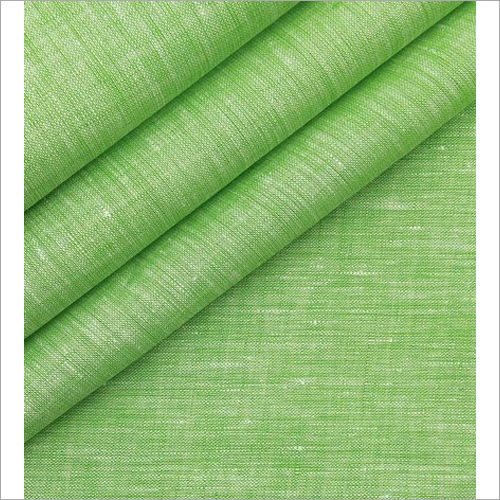


Recommended Range: 120–170 GSM
| GSM | Shirt Feel | Ideal Use |
|---|---|---|
| 120–140 | Ultra light & airy | Peak summer |
| 140–170 | Balanced comfort | Daily wear |
| 170–190 | Slightly structured | Mild weather |
Avoid heavy GSM shirts in extreme heat.
Why Cheap “Linen” Shirts Don’t Feel Cool
If you see linen shirts priced extremely low, often they contain:
• very low linen percentage (under 20%)
• cotton-linen blends
• polyester blends
• Tencel or viscose with linen texture
Blends reduce cost — but also reduce cooling performance.
Always check fabric composition.
Benefits of Wearing Linen Shirts in Indian Summer
Better Sweat Management
Linen absorbs moisture without feeling soggy.
Less Odor Retention
Linen resists bacterial buildup better than many fabrics.
Long-Term Durability
Linen fibers are naturally strong and last years with proper care.
Timeless Style
Natural texture gives relaxed premium look.
When Cotton Shirts Still Make Sense
Cotton works if:
✔ weather is mild
✔ you prefer smoother finish
✔ you want lower upfront cost
But in peak heat, linen outperforms.
How to Choose the Right Linen Shirt
Check Fabric Percentage
Look for 100% linen.
Check GSM
120–170 GSM is ideal.
Check Weave
Open weave allows airflow.
Check Fit
Relaxed fits improve ventilation.
Quick Linen Shirt Buying Checklist
✔ 100% linen
✔ 120–170 GSM
✔ breathable weave
✔ transparent brand information
✔ realistic pricing
Frequently Asked Questions About Linen Shirts in Summer
Are linen shirts better than cotton for hot weather?
Yes. Linen allows better airflow and faster sweat evaporation, making it cooler in extreme heat.
Do linen shirts wrinkle easily?
Yes, linen wrinkles naturally. These wrinkles are part of its texture and signal authenticity.
What GSM linen is best for shirts?
Between 120 and 170 GSM for Indian climate.
Are linen shirts good for office wear?
Yes. Light-colored linen shirts work well for formal summer settings.
Do linen shirts last long?
With proper care, linen shirts can last several years and become softer over time